

The global semiconductor industry is changing fast. With tensions between countries and changes in trade rules, every nation involved in making computer chips is closely watching how these decisions will affect them. One of those countries is Malaysia.
Recently, Malaysia warned that its chip-making sector could be hurt if the United States removes special tax exemptions on certain chip components. At first glance, this might sound like just another trade issue—but it could seriously impact Malaysia’s economy and even the global chip supply.
Let’s break it down in simple terms so that everyone—yes, even an eighth-grader—can understand why this matters.
—
Why Malaysia is Important in Making Chips
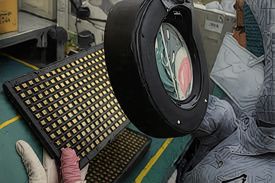
You might not hear about Malaysia often when talking about computer chips, but it plays a very important role in finishing the chip-making process. While other countries like Taiwan or the U.S. focus on creating the chips from scratch, Malaysia handles what’s called the “back end.” This means companies send their chips to Malaysia so they can be tested, packaged, and made ready for use in real-world products.
🧠 Fun Fact: Chips are not finished when they come out of a factory! They still need to be packaged and tested. That step often happens in Malaysia.
Here’s why Malaysia is a big deal:
- 7 of the world’s top 10 chip companies have factories in Malaysia.
- The chip and electronics sector makes up about 6% of Malaysia’s total economy.
- In 2023 alone, Malaysia exported more than $110 billion worth of electronics, with chips making up a big part of that.
Chip giants like Intel, AMD, and Texas Instruments all have manufacturing centers in Malaysia. While Malaysia doesn’t make the world’s most advanced chips (like those found in the newest iPhones), it plays a key role in preparing chips for final use.
—
What’s Happening? The U.S. May Remove Chip Tax Exemptions
Here’s where the problem starts. The U.S. government is thinking about removing tax exemptions on imported chip components from countries like Malaysia. These exemptions have made it cheaper and easier for Malaysian companies to sell goods to U.S. companies.
📦 What is a tariff? A tariff is a tax on goods that are imported from another country. Removing a tariff exemption means those goods will now cost more to bring into the U.S.
The U.S. wants to encourage more chip-making at home. That’s understandable, but removing these exemptions could make it much harder and more expensive for Malaysian companies to do business with U.S. firms.
Here’s how it could affect Malaysia:
- Malaysia’s chip exports would become more expensive.
- Big companies might move their operations out of Malaysia to avoid extra costs.
- Malaysia could lose business and investments from global tech giants.
—
Why It’s Bad for the Global Semiconductors Market
The chip-making business runs best when it is fast, cost-effective, and smooth. Changing something as important as taxes can cause big problems.
📉 Higher Costs = Bigger Problems
If Malaysian chips get more expensive because of tariffs, U.S. companies may either:
- Pay more (and pass those costs on to customers)
- Or stop using Malaysian services
This harms businesses in both countries and raises prices on everyday tech, like phones, laptops, and even cars.
🌍 Global vs. Local Interests
While the U.S. wants to protect its own chip production, hurting trusted partners like Malaysia can backfire. Chips aren’t made in just one country anymore—they’re made in many countries, each doing their part.
Making chips is like making a pizza. Ingredients come from different places, someone prepares it, someone bakes it, and someone delivers it. If one step gets more expensive or slower, the whole pizza business struggles.
—
Why Tech Companies Choose Malaysia
So why do big tech companies love setting up in Malaysia? Here’s why:
- 🌏 Strategic Location
Malaysia is in the heart of Southeast Asia, which helps companies ship products easily across the world—from the U.S. to China to Europe. - 👷 Skilled Workers
Malaysia has smart, trained people who know how to work with electronics. These jobs have been growing for decades. - 🏭 Business-Friendly Government
Malaysia’s government offers tax cuts and builds big tech parks. They’re working hard to attract tech jobs and investors.
—
What Malaysia Is Doing About It
Malaysia isn’t just sitting back and watching. Government leaders are already talking to U.S. officials to protect their place in the global chip supply chain.
They are also making smart moves at home:
- Adding more advanced technology to factories
- Offering support for research and development (R&D)
- Teaming up with nearby countries to build strong tech partnerships
🤝 Malaysia wants to show that while the U.S. builds its own chip industry, it still needs help from trusted partners around the world.
—
What’s Next for Malaysia’s Chip Economy?
Even if tariffs are removed, Malaysia has a few ways to stay strong:
- 🌐 Find New Buyers
Malaysia can ship more chip products to Europe, Japan, or other nearby countries if trade with the U.S. becomes harder. - 📈 Move Up the Chain
Right now, Malaysia handles the back-end of chip production (testing and packaging). In the future, it could start getting involved with designing and making more advanced parts of the chips. - 🤝 Team Up with Neighbors
Malaysia could work more closely with countries like Japan, South Korea, Taiwan, and Singapore to create a strong electronics network in the Asia-Pacific region.
—
Final Thoughts: The World Needs to Work Together on Chips
Our world runs on chips. We find them in phones, cars, computers, airplanes, smart homes—basically, everywhere. But no single country can do it all.
U.S. tariff changes might help in some ways—but they could also hurt the very partners that the chip industry relies on, like Malaysia.
🏁 The solution? Countries need to work together, not against each other. Cooperation, not competition, will keep the chip industry running smoothly and fairly.
—
What Can You Do?
Whether you’re a student, a tech worker, or a business owner, trade changes like this affect everyone. Here’s what you can do:
- 📚 Stay informed about how trade affects technology and prices
- 🗣️ Support smart trade rules that keep products affordable and abundant
- 📈 Encourage your school or workplace to learn more about global supply chains
From the chips in your phone to the tech inside your car, we all depend on a strong, worldwide chip industry.
—
Want to learn more about tech, global trade, and semiconductors?
Subscribe to our newsletter and stay ahead of the trends that shape our connected world.
Let’s keep technology moving forward—together.