Cloud gaming is no longer a niche experiment. This holiday season, the industry recorded a staggering 45% growth, driven by massive platform updates, improved infrastructure, and a surge in casual and hardcore gamers alike. What was once considered “the future of gaming” is now becoming the present — and the next phase could reshape how games are played, sold, and monetized.
So what caused this sudden explosion, and where is cloud gaming heading next?
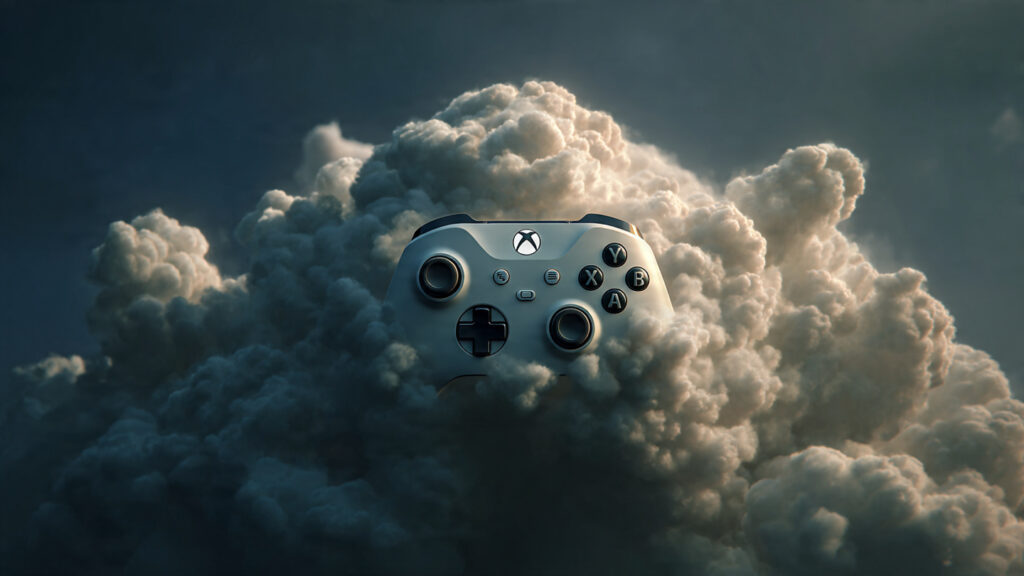
Why Cloud Gaming Surged 45% This Holiday Season
The holiday spike didn’t happen by accident. Several key factors aligned at the perfect time.
First, major cloud gaming platforms rolled out large-scale performance updates, dramatically reducing latency and improving visual quality. Many services now deliver near-console-level experiences on average internet connections, removing one of the biggest barriers to adoption.
Second, the rising cost of gaming hardware pushed more players toward cloud solutions. With console shortages and expensive PC upgrades, cloud gaming became the most accessible way to play high-end titles instantly.
Finally, holiday promotions played a critical role. Free trials, bundled subscriptions, and instant-play demos lowered the entry barrier for millions of new users.
Massive Platform Updates Changed Everything
This growth was fueled by aggressive upgrades across the cloud gaming ecosystem.
Platforms focused on:
- Faster server-side GPUs
- Better adaptive streaming technology
- Expanded game libraries
- Seamless device switching between mobile, TV, and PC
- Reduced input lag for competitive games
For the first time, cloud gaming felt reliable enough for long sessions, multiplayer titles, and even fast-paced action games.
Mobile and Smart TVs Drove the Biggest Growth
One of the most surprising contributors to the 45% jump was mobile and smart TV usage.
Gamers no longer need a console or gaming PC. A phone, tablet, or smart TV with a controller is now enough. This shift dramatically expanded the audience, especially in regions where high-end hardware is less accessible.
Cloud gaming effectively turned everyday devices into gaming machines — and users responded immediately.
What Happens Next Will Surprise You
The next phase of cloud gaming won’t just be about better graphics or faster servers.
Here’s what’s coming next:
Cloud-First Game Releases
Studios are already experimenting with games designed specifically for cloud platforms, removing hardware limitations entirely.
Subscription-Dominated Gaming
Instead of buying individual games, players will increasingly access massive libraries through monthly subscriptions — similar to how streaming changed movies and music.
AI-Powered Game Streaming
AI-driven upscaling, predictive input handling, and real-time optimization will further reduce lag and improve visual fidelity.
Instant “Click-to-Play” Gaming
No downloads. No updates. No storage limits. Players will jump into games directly from ads, trailers, or social media links.
This shift could fundamentally change how games are marketed and discovered.
What This Means for Gamers
For players, this transformation is largely positive.
Cloud gaming offers:
- Lower upfront costs
- Instant access to AAA titles
- No hardware upgrades
- Cross-device play
- Reduced maintenance
The trade-off? A strong internet connection becomes essential — but global infrastructure improvements are closing that gap fast.
What This Means for the Gaming Industry
For developers and publishers, cloud gaming opens new revenue models and wider audiences. Smaller studios can reach millions without worrying about platform optimization, while major publishers gain recurring subscription income.
Traditional consoles and gaming PCs aren’t disappearing — but they are no longer the only way to play.
Final Thoughts
A 45% holiday growth spike is not a trend — it’s a turning point.
Cloud gaming has crossed the threshold from experimental tech to mainstream entertainment. With massive updates already live and even bigger innovations coming next, the way we play games is evolving faster than anyone expected.
And the most surprising part?
We’re still only at the beginning.