The chess world is in mourning — but beneath the grief lies anger and painful introspection. The death of 29-year-old American grandmaster Daniel Naroditsky has done more than rob the game of a brilliant mind; it has shattered the board, exposing a deep crisis of trust, accusation, and the devastating real-world consequences of online suspicion.
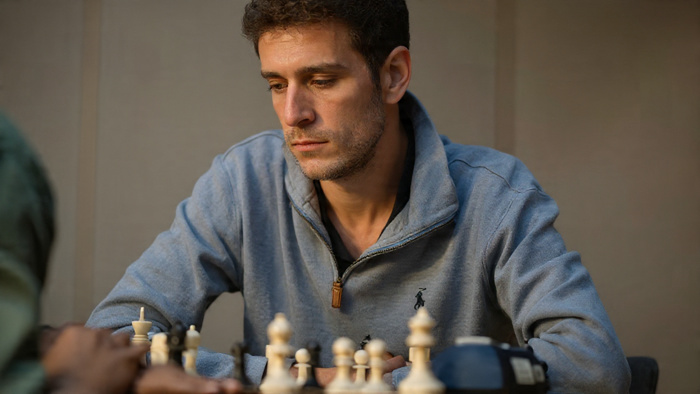
A Prodigy, Found Dead
Daniel Naroditsky was a chess lifer — a celebrated child prodigy who became a grandmaster as a teenager, then evolved into a popular streamer and dedicated coach at the Charlotte Chess Center. On Monday, his unexpected death was announced, prompting a wave of shock across the global chess community. The Times of India+4AP News+4euronews+4
While the official cause of death has not been made public, reports note that authorities are investigating for possible suicide or drug overdose. People.com+2The Times of India+2
His passing leaves more than just a vacant seat across the board: it raises urgent questions about how the digital evolution of chess—and the moods it engenders—may have played a role.
The Irony of “Toiletgate”: When the Accuser Was Accused
The man who has been the fiercest public accuser of Naroditsky is none other than Vladimir Kramnik—a former world champion with his own chequered history. In 2006, during his title match versus Veselin Topalov, Kramnik was accused of using the bathroom excessively (sometimes 50 times a match) to secretly consult a computer — the scandal dubbed “Toiletgate.” Reddit+1
Though Kramnik was later cleared by the governing body (FIDE) of wrongdoing, the incident left a stain on the sport’s integrity — and makes his recent role as accuser all the more pointed.
The Modern Witch-Hunt: Cheating in the Digital Age
Chess today is not just played across the board — it’s played online. And with moving to digital platforms, the game has also moved into a new zone of suspicion.
According to Chess.com CEO Erik Allebest, cheating isn’t theoretical:
“Players cheat for notoriety, to boost their streaming audience, to rise in the rankings.”
The platform deals with this via:
-
Statistical analysis — algorithms flag improbable accuracy or rapid rating jumps.
-
Live proctoring — in cash tournaments, cameras front & rear-face the player.
-
Mass bans — Chess.com recently shut down 125,000 accounts for cheating.
Yet Allebest cautions: in a world where 20 million games are played daily, “a one-in-a-million event happens every day.” AP News+1
The challenge isn’t just detecting cheating — it’s doing so in a way that doesn’t collapse into guilt by suspicion.
“It Hurts Them in the Soul”: The Human Cost of Accusation
For a player like Naroditsky, an accusation isn’t just an insult — it’s an erasure of a lifetime of dedication.
In his final livestream, he admitted: “Ever since the Kramnik stuff, I feel like if I start doing well, people assume the worst of intentions.” Al Jazeera+1
And the toll is visible:
Nihal Sarin, who played Naroditsky online, publicly accused Kramnik: “He has kind of literally taken a life.” The Indian Express
When accusations become unmoored from proof, they can become weapons. They strip away confidence, reputation and — in tragic cases — lives.
The Reckoning: Fallout from a Tragedy
In the wake of Naroditsky’s death, the chess world is forced to act:
-
FIDE has launched an investigation into Kramnik’s public statements and behaviours. Reuters+1
-
Chess.com had already banned Kramnik from prize tournaments in 2023 over unfounded cheating claims.
-
Kramnik has denied bullying Naroditsky, instead claiming he is victim of a “slandering PR campaign” and is threatening legal action. The Guardian
-
FIDE will also honour Naroditsky’s legacy with a special award recognising his contributions as a player, teacher and commentator. The Indian Express+1
This story is no longer simply about games and moves — it’s about system failure. The system of trust, reputation, digital fairness and human dignity.
Conclusion
The story of Daniel Naroditsky is no longer just about moves on a board. It is a stark reminder that behind every username and grandmaster title is a human being. As the chess world seeks answers, it is now forced to confront an uncomfortable truth: in the relentless pursuit of fair play, it must not sacrifice its humanity. The game lost more than a player — it may have lost a piece of its soul.