The e-commerce world is booming like never before, but standing out in a sea of online stores can feel impossible. Customers expect seamless shopping experiences, lightning-fast service, and personalized product recommendations—every single time. That’s a tall order for even the most experienced e-commerce entrepreneur.
But here’s the good news: Artificial Intelligence (AI) isn’t just for big tech giants anymore. Small and medium-sized e-commerce businesses can now leverage AI to automate repetitive tasks, deliver personalized shopping experiences, and grow revenue with remarkable efficiency.
In this article, we’ll dig into how AI for ecommerce is transforming the industry, from ecommerce automation to powerful AI sales tools, and how you can apply these innovations in your store to boost sales, save time, and delight customers.
E-commerce
Let’s dive in.
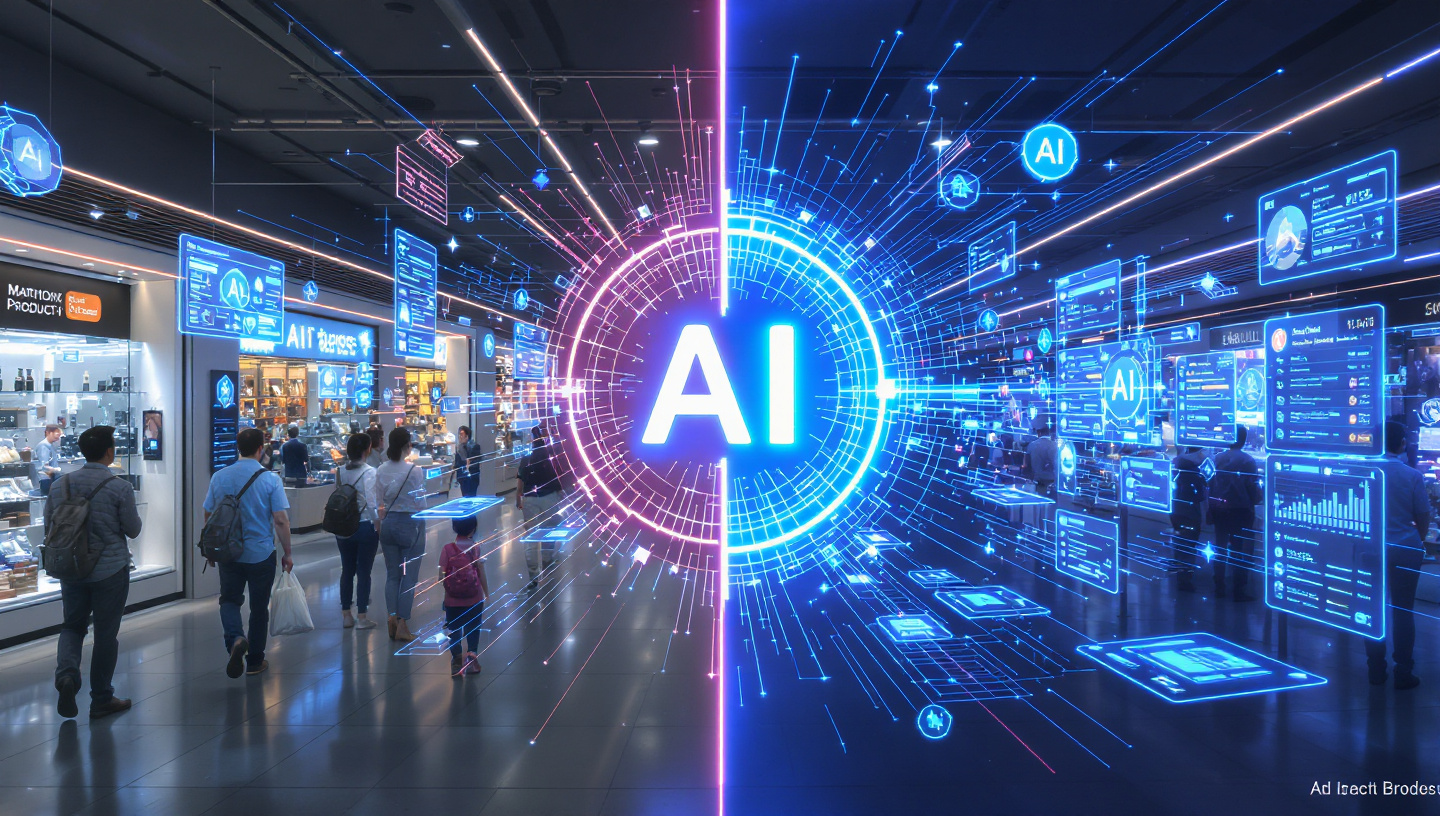
E-commerce
What Is AI for E-commerce?
Before we get into the juicy benefits, let’s make sure we’re on the same page.
AI for ecommerce refers to the use of artificial intelligence technologies—like machine learning, natural language processing (NLP), and predictive analytics—to enhance and automate various aspects of online retail. These AI systems learn from data, adapt to customer behavior, and make smart decisions with minimal human input.
Some common applications of AI in e-commerce include:
- Product recommendations based on browsing history
- Chatbots providing real-time customer support
- Automated inventory and supply chain management
- Fraud detection and prevention
- Smart pricing adjustments
- Personalized marketing campaigns
This kind of automation doesn’t just reduce manual work—it empowers you to operate smarter and faster.
How AI Improves the Customer Experience
E-commerce
One of the biggest game changers in using AI for ecommerce is its ability to deliver hyper-personalized customer experiences. Today’s shoppers don’t just want options—they want the right options. AI tools learn from past purchases, browsing habits, and even how long users spend on certain pages to serve up tailored product suggestions that feel magical.
E-commerce
Personalized Product Recommendations
E-commerce
Ever wonder how Amazon seems to know exactly what you’re looking for—even before you do? That’s AI in action. These recommendation engines are powered by sophisticated algorithms that analyze a shopper’s behavior pattern and compare it to other users with similar tastes.
E-commerce
With the right tools, you can:
- Suggest products based on customer interests
- Cross-sell and upsell effectively
- Improve time-on-site and reduce bounce rates
- Increase average order value
Smaller stores can tap into this powerful strategy too by using AI sales tools like Recombee or Vue.ai to integrate intelligent product suggestions into their platforms.
E-commerce
Dynamic Pricing Strategies
AI also enables you to offer the right product at the right price. Let’s face it—pricing is tricky. Lower it too much and you cut into profits. Raise it and you could lose sales. With AI, you can automatically adjust prices based on real-time factors like demand, competitor pricing, customer behavior, and stock levels.
Dynamic pricing powered by AI can:
- Optimize your profit margins
- Make you more competitive
- Move inventory more efficiently
This part of ecommerce automation keeps your pricing strategy agile and data-driven.
Enhanced Search and Discovery
Traditional keyword-based search can frustrate users who don’t know exactly what they’re looking for. Enter AI-powered search engines. These tools use natural language processing to understand intent, not just text.
Take Shopify’s Search & Discovery app or Microsoft’s Azure Cognitive Search, for example. They offer:
- Visual search (upload an image to find similar items)
- Voice search for mobile shoppers
- Synonym recognition and typo detection
With smarter search results, customers find what they need faster—leading to more conversions.
Streamlining Operations with E-commerce Automation
Running an online store comes with no shortage of tedious yet critical tasks—order fulfillment, restocking, customer emails, and more. AI simplifies many of these through e-commerce automation, freeing up your time to focus on growth.
Inventory and Supply Chain Management
AI-powered systems can monitor inventory in real-time, forecast upcoming demand, and even suggest when to reorder stock. Tools like Inventory Planner or Zoho Inventory offer intelligent forecasting based on seasonality, trends, and historical sales data.
Key benefits include:
- Preventing stockouts or overstocking
- Reducing storage costs
- Boosting supply chain efficiency
- Automating reordering processes
Conversational AI and Chatbots
Today’s customers demand 24/7 support. Thanks to conversational AI, you don’t need a full-time support team to deliver exceptional service. AI-powered chatbots like Tidio, Drift, or Zendesk Answer Bot can handle:
- Common customer queries about orders, returns, and policies
- Product suggestions
- Cart recovery conversations
- Lead generation and qualification
And let’s not forget, chatbots never take breaks or call in sick!
Email and Marketing Automation
Your marketing efforts can get a major efficiency boost from AI, especially in the way you communicate with prospects and customers. AI-driven marketing tools like Klaviyo, Omnisend, or Mailchimp use customer behavior data to send the right message at just the right time.
For example, you can automate:
- Welcome emails and onboarding sequences
- Abandoned cart recovery emails
- Personalized product alerts
- Post-purchase follow-ups
The result? More engagement, more conversions, and a better customer experience—all on autopilot.
Leveraging AI Sales Tools to Supercharge Growth
If you’re aiming to skyrocket your revenue, integrating AI sales tools into your funnel is a must. These tools are designed to improve targeting, increase conversions, and scale your operations faster.
Predictive Analytics for Smarter Decisions
Imagine knowing which leads are most likely to convert—before your team even reaches out. Predictive analytics makes this possible by analyzing customer behavior, purchase history, and engagement stats.
This enables you to:
- Focus your marketing efforts where they matter most
- Create targeted product bundles and offers
- Forecast future sales and demand more accurately
Visual Merchandising with AI
How your products appear can make or break the sale. Visual AI tools like Syte or Algolia help you improve visual merchandising by:
- Automatically tagging and categorizing images
- Enhancing product listings with 3D previews or AR (Augmented Reality)
- Offering smart visual filters based on color, shape, and style
Customers enjoy a rich, immersive shopping experience—and you stand out from competitors who rely on boring static images.
Voice and Conversational Commerce
With the rise of smart speakers and voice assistants, voice search is transforming how users find and buy products. Integrating voice capabilities through AI allows customers to:
- Order products via Alexa or Google Assistant
- Ask for updates on shipping status
- Request recommendations audibly
It’s a seamless, futuristic user experience that boosts convenience—and conversions.
Real-World Success Stories
Still not convinced that AI can make a real difference? Let’s look at some real businesses that have already made AI their secret weapon.
- ASOS uses AI to recommend clothes based on customer preferences and trends, resulting in significant increases in average order value.
- IKEA uses an AR-powered app that lets customers visualize furniture in their homes before buying.
- Stitch Fix uses algorithms to curate personalized clothing items shipped directly to customers, making returns and exchanges easy through AI feedback loops.
These case studies show that AI isn’t just about automation—it’s about elevation.
Getting Started with AI for Your Store
Adopting AI for ecommerce might sound intimidating, but it doesn’t have to be. Follow these simple steps to ease into it:
- Start Small: Use AI chatbots or email automation tools to handle everyday tasks.
- Invest in Tools: Choose reliable platforms like Shopify, WooCommerce, or BigCommerce that integrate easily with AI-powered apps.
- Analyze Data: Use AI analytics tools like Google Analytics, Glew.io, or RetentionX to get deep insights into shopper behavior.
- Test and Optimize: Continuously test changes and fine-tune your campaigns to make the most of AI insights.
Final Thoughts: Embrace the Future, Today
AI is no longer a “nice to have”—it’s a necessity for staying competitive in today’s online marketplace. Whether you’re looking to save time with ecommerce automation, deliver personalized experiences, or harness advanced AI sales tools, the opportunities are endless. And the best part? These tools are more accessible and affordable than ever, whether you’re just launching your e-commerce store or scaling an established brand. By integrating AI into your store today, you’re investing in a smarter, faster, and more customer-centric tomorrow. 🔧 Ready to put AI to work for your e-commerce store? Start small, explore your options, and let your business grow on autopilot. Want help choosing the right AI tools for your store? Subscribe to our newsletter for weekly tips, product reviews, and actionable strategies to scale your e-commerce business using AI!
Read This Now: Honest AI Marketing Strategies That Actually Work 2025 (Limited)