Imagine waking up and hearing that your next smartphone or laptop might cost twice as much—not because it’s better, but because of new trade rules. That’s what could happen soon. The U.S. is talking about adding a 100% tariff on products from China, and it may also block some software from being sent there. These big moves are causing a lot of concern and restarting what many are calling the U.S.-China trade war 2025.
In this simple guide, we’ll explain what’s going on, why it matters, and how these changes might affect you—even if you don’t own a business or follow world news. Let’s break it down.
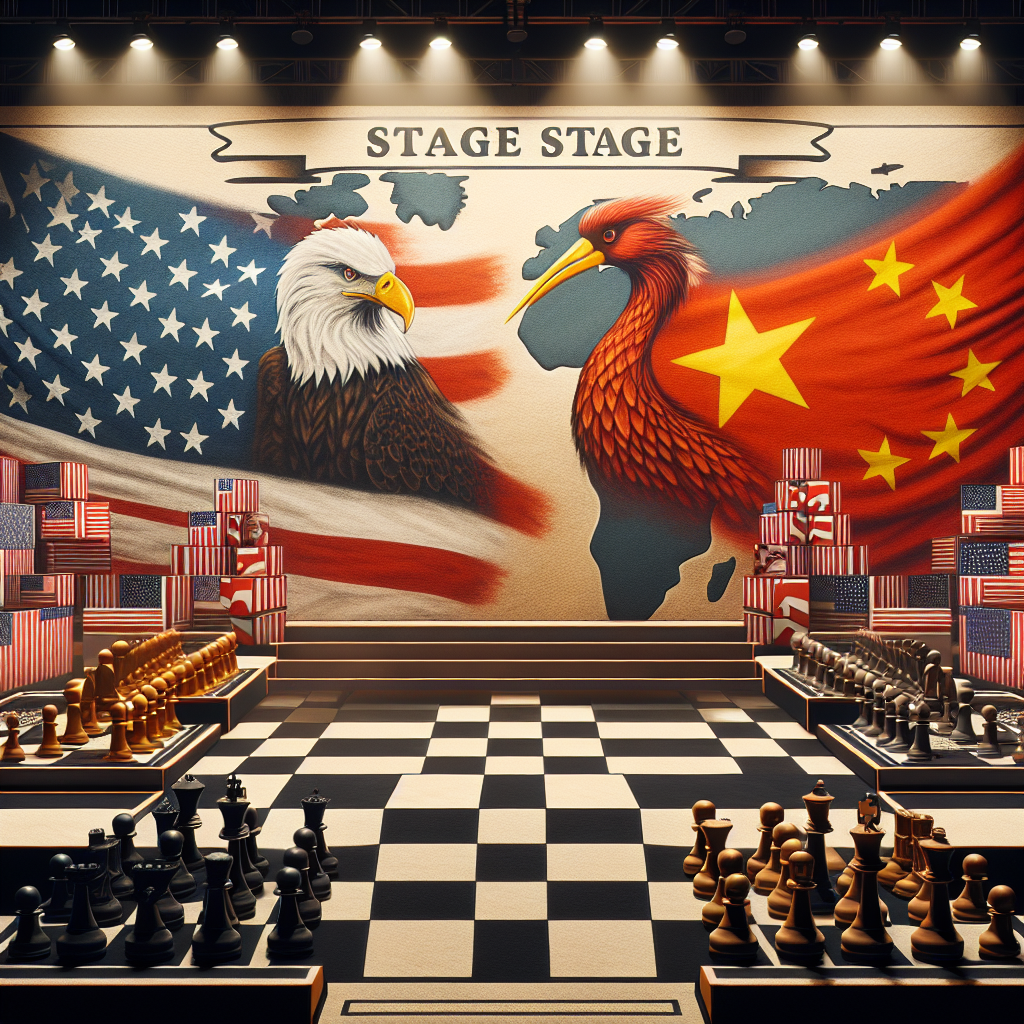
The Big Picture: U.S. 100% Tariff on China—What’s Really Going On?
In May 2024, the U.S. government shocked many people by saying it may add a 100% tariff to some Chinese products. A tariff is like a tax on goods that come from another country. With a 100% tariff, the price of that product could double.
The main items that could be affected include:
- Electric Vehicles (EVs) and batteries
- Semiconductor parts (the “brains” of computers)
- Green energy items like solar panels
- Software and smart technology tools
U.S. leaders say these rules are meant to protect American jobs and companies from unfair competition. They believe China is using tricky trade practices and gaining too much power over key technologies. But not everyone agrees. Many people worry this could cause more harm than good.
Revisiting the U.S.-China Trade War 2025: Déjà Vu With Higher Stakes
You might remember hearing about trade fights between the U.S. and China before. That started back in 2018 under President Trump. Tariffs went back and forth between the two countries like a game of tennis.
But now, the stakes are higher:
- China has become much more powerful in the tech world.
- The U.S. relies heavily on parts and materials made in China.
- The world is more connected, so any trade issue spreads quickly.
Experts say that if these new tariffs happen, prices on tech products could go up again. That might make inflation (the rising cost of living) worse and hurt average families, especially when buying electronics or cars. This could be just the beginning of a longer and more serious trade fight—or what some are calling the U.S.-China trade war 2025.
Software Export Ban on China: The Next Front in the Tech Cold War
As if high tariffs weren’t enough, the U.S. is also looking at blocking software exports to China. A software export ban China policy would stop American companies from sending certain computer programs and tools to Chinese companies.
This could include:
- AI (artificial intelligence) tools like neural networks
- Cloud computing and data analysis programs
- Advanced 5G technology software
- Code libraries (used by developers to build new programs)
Why does this matter? Because software is what powers nearly everything today—from your phone apps to government systems. Limiting access to software could slow down China’s tech growth, but it could also hurt U.S. companies that sell to Chinese clients.
Even big companies like Microsoft, Google, and Nvidia are now trying to figure out how these rules might affect their business.
The Real-World Impact: What the Trade War Means for YOU
While all this talk about trade and tariffs might sound far away, it can have very real effects for everyday people.
Here’s how:
🛒 For Consumers
- Prices on electronics and electric vehicles could go way up.
- It might take longer to get products shipped.
- Store shelves and online shops might have fewer options.
🏢 For Small & Medium Businesses
- Making products will become more expensive if they use Chinese parts.
- Business owners might struggle to plan or sign deals because of uncertain rules.
- Profit margins could shrink because of higher costs.
💼 For Tech Workers and Developers
- U.S. tech workers may lose access to top Chinese tools and hardware.
- More red tape could cause delays for projects and startups.
- Collaborations with international teams may become harder.
🌍 For the Global Economy
- Stock markets could get shaky, especially in tech and manufacturing.
- A split in the tech world could happen—one American-led, one China-led.
- Cross-border teamwork (in science, health, tech) might slow down.
This is a sign of a world where trade and politics are becoming more mixed together, and that’s making things uncertain for everyone.
What Happens Next? Key Scenarios to Watch
The U.S.-China trade war 2025 is still unfolding. Here are a few things that could happen:
🔁 Retaliation: China may fight back by adding tariffs or blocking U.S. products.
🧠 Innovation Migration: The tech world may split into two sides, each with its own apps, tools, and systems.
🤝 Diplomatic Thaw: Talks between nations could cool things down—but that’s not guaranteed.
⚖️ Legal Challenges: Big companies might take these new rules to court, which could delay or change how they’re enforced.
Whatever happens, it’s clear that the next few months will shape the future of global trade and technology.
How Businesses and Consumers Can Prepare
If you’re wondering what you can do, here are some helpful steps:
🧾 Diversify sourcing
Businesses should think about buying or building their goods in other places—like Vietnam, Mexico, or even the U.S.
⚙️ Stay compliant
If your business ships software or tech items, know the rules and follow them closely.
🧠 Educate yourself
Trade news may seem boring, but understanding it can save you money—and help you make smarter choices.
🌐 Go open-source
For software developers, using open-source programs can reduce the need for expensive or restricted tools.
💬 Speak up
Let your leaders know how these rules affect you. Governments often listen when enough people or businesses raise their voice.
Final Thoughts: The Cost of Economic Armor
At its core, the U.S. 100% tariff on China and the software export ban China plan show us that the world is changing fast. Instead of shooting wars, countries are now fighting with rules, taxes, and technology.
Some people think these steps will protect American jobs and keep Chinese influence in check. Others worry it could harm everyday people and slow down innovation.
What’s clear is this: the trade war isn’t just something happening in Washington or Beijing. It shows up in your shopping cart, your business plans, and your job opportunities.
So it’s more important than ever to stay informed, get involved, and be ready for change.
👉 Join the conversation: What are your thoughts on the proposed U.S. 100% tariff on China and the software export ban? Do you think they will help or hurt in the long run? Share your ideas in the comments!
And if you found this guide helpful, hit subscribe for more easy-to-understand updates on global trade, tech policy, and how they impact you.