

May 11, 2026
For years, the chasm between Android and iPhone users in the realm of messaging has been a source of frustration, privacy concerns, and countless memes. The dreaded “green bubble” signified more than just a different operating system; it represented a fundamental gap in security, features, and the overall user experience.
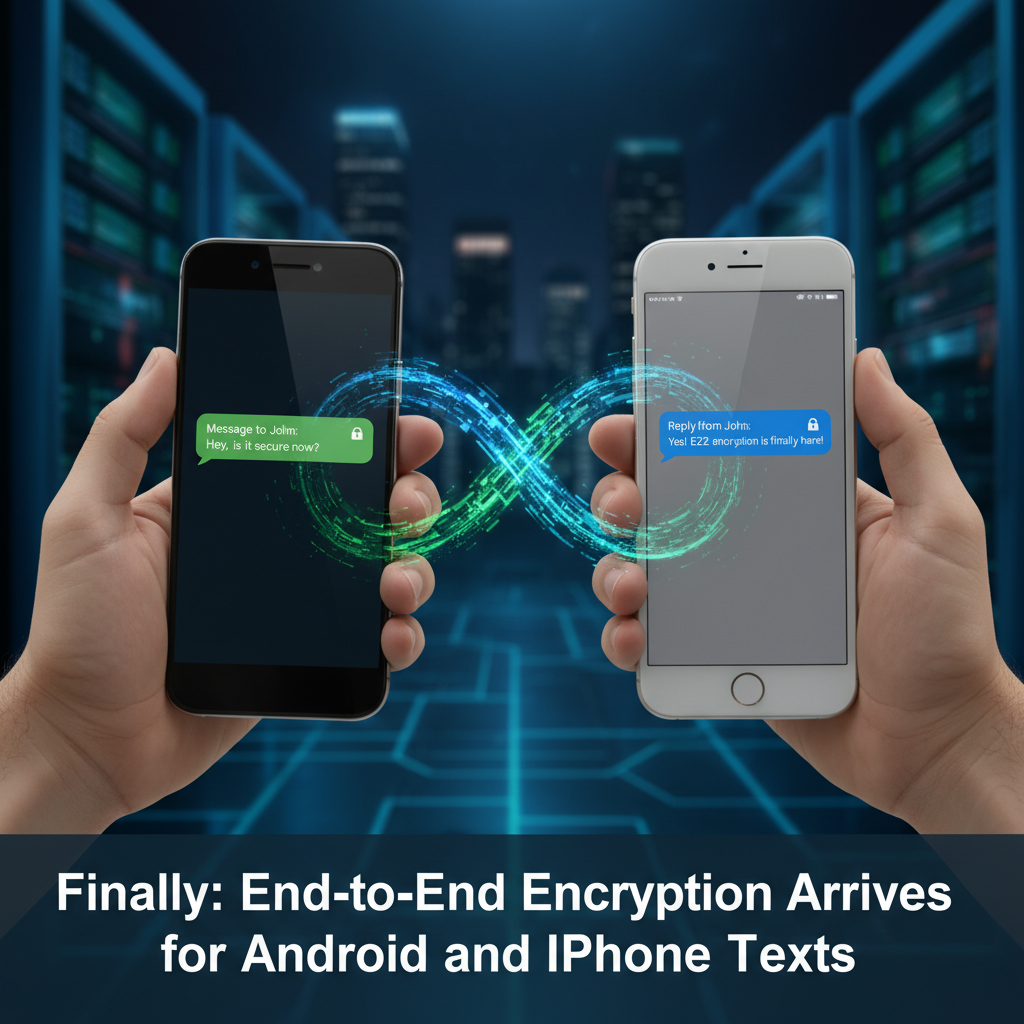
Today, that era officially comes to an end. We are thrilled to announce that texts between Android and iPhone users can now be end-to-end encrypted (E2EE). This monumental shift, driven by Apple’s full adoption of the Rich Communication Services (RCS) standard, finally brings a unified, secure, and feature-rich messaging experience to the vast majority of smartphone users worldwide.
The Long-Awaited Solution to a Lingering Problem
Before today, when an iPhone user texted an Android user (and vice versa) via the default messaging apps, those messages reverted to the archaic SMS/MMS standard. This meant:
- No End-to-End Encryption: Messages were not encrypted between sender and receiver, making them vulnerable to interception.
- Low-Quality Media: Photos and videos were heavily compressed, often arriving pixelated and blurry.
- Missing Features: No read receipts, typing indicators, larger file sharing, or reliable group chats.
- The “Green Bubble” Stigma: A visual reminder of the second-class messaging experience.
While iPhone users enjoyed the robust, E2EE-protected experience of iMessage within their own ecosystem, and Android users benefited from Google Messages’ E2EE-enabled RCS chats with other Android users, the cross-platform divide remained. Until now.
How End-to-End Encryption is Now Standard for Cross-Platform Texts
The magic behind this breakthrough is the widespread implementation of RCS (Rich Communication Services), specifically its end-to-end encrypted variant. Apple’s decision to adopt RCS as a fallback for non-iMessage conversations means that when you text an Android user from your iPhone (or vice versa), the communication will now automatically leverage RCS capabilities.
Here’s a simplified breakdown of what happens:
- Detection: When you send a message, your phone’s messaging app detects if the recipient is an RCS-capable device.
- RCS Connection: If both parties support RCS, the message is sent over the internet via the RCS protocol, rather than traditional SMS.
- Automatic E2EE: Crucially, these RCS messages are now automatically end-to-end encrypted, meaning only the sender and intended recipient can read the content. Not even your carrier or Google/Apple can access the message content.
- Feature Parity: Along with encryption, you’ll also get high-resolution media sharing, read receipts, typing indicators, and improved group chat functionality.
This isn’t about iMessage coming to Android, or Apple adopting Google Messages. It’s about a universal, open standard (RCS) evolving to provide a secure and modern messaging foundation for all, regardless of their smartphone choice.
Key Benefits for Users: Privacy, Features, and Peace of Mind
The implications of this shift are profound and overwhelmingly positive for consumers:
-
Unprecedented Digital Privacy:
Your cross-platform conversations are now truly private. Sensitive information, personal photos, and confidential discussions are protected from prying eyes, making the internet a safer place for communication.
-
Richer, More Engaging Conversations:
Say goodbye to pixelated photos and videos. RCS brings high-resolution media sharing, larger file transfers, and dynamic group chats, making every conversation more vivid and interactive.
-
A Unified Messaging Experience:
The days of feeling like a second-class citizen when texting across OS boundaries are over. While the visual distinction (e.g., green vs. blue bubbles for iMessage vs. RCS) may persist for some, the underlying functionality and security are now on par.
-
Enhanced Security Against Cyber Threats:
With E2EE, the risk of messages being intercepted or manipulated by malicious actors is significantly reduced, offering a robust defense against various cyber threats.
What This Means for the Future of Messaging
This move is a massive win for open standards and consumer choice. It demonstrates a growing industry commitment to universal privacy and interoperability. While dedicated messaging apps like Signal and WhatsApp still offer their own benefits and ecosystems, the availability of E2EE in the default messaging experience for all major smartphone platforms is a game-changer.
It sets a new baseline for what users should expect from their primary texting application: security, features, and seamless communication, regardless of the brand of phone their friends and family use.
How to Ensure Your Messages Are Encrypted
For most users, this transition will be seamless and automatic. However, here are a few steps to ensure you’re benefiting from the new secure messaging standard:
- Update Your OS: Ensure your iPhone is running the latest iOS version and your Android device has the most recent Android OS updates.
- Update Messaging Apps: Make sure your Apple Messages app and Google Messages app are updated to their latest versions from the App Store or Play Store, respectively.
- Verify RCS is Enabled: For Android users, check your Google Messages settings under “RCS chats” to ensure it’s enabled. For iPhone users, RCS will function automatically when texting Android devices.
- Look for Indicators: Both Google Messages and Apple Messages may display subtle indicators (e.g., a small lock icon, or a notification within the chat details) to confirm an RCS conversation is end-to-end encrypted.
A New Era of Secure Communication Has Begun
The journey to universally secure, cross-platform texting has been a long one, marked by industry rivalries and technological hurdles. But today, May 11, 2026, marks a pivotal moment where those barriers have finally fallen. Users on both sides of the Android-iPhone divide can now communicate with the peace of mind that their conversations are private, secure, and feature-rich.
This isn’t just an upgrade; it’s a revolution in mobile messaging. Welcome to the future of texting.